

Barbaresco may be quieter and smaller than its famous neighbor Barolo, but this compact corner of the Langhe offers one of the most refined, nuanced expressions of Nebbiolo. Before exploring classifications, soils, MGAs, and local grapes, here’s a clear guide to understand what makes Barbaresco unique and why this territory continues to fascinate wine lovers.
The little B. Barbaresco
The small sleepy village of Barbaresco. Where this famous wine region take its name from. Let's go a bit into the history of this village, before we dive deep into wine geek territory!
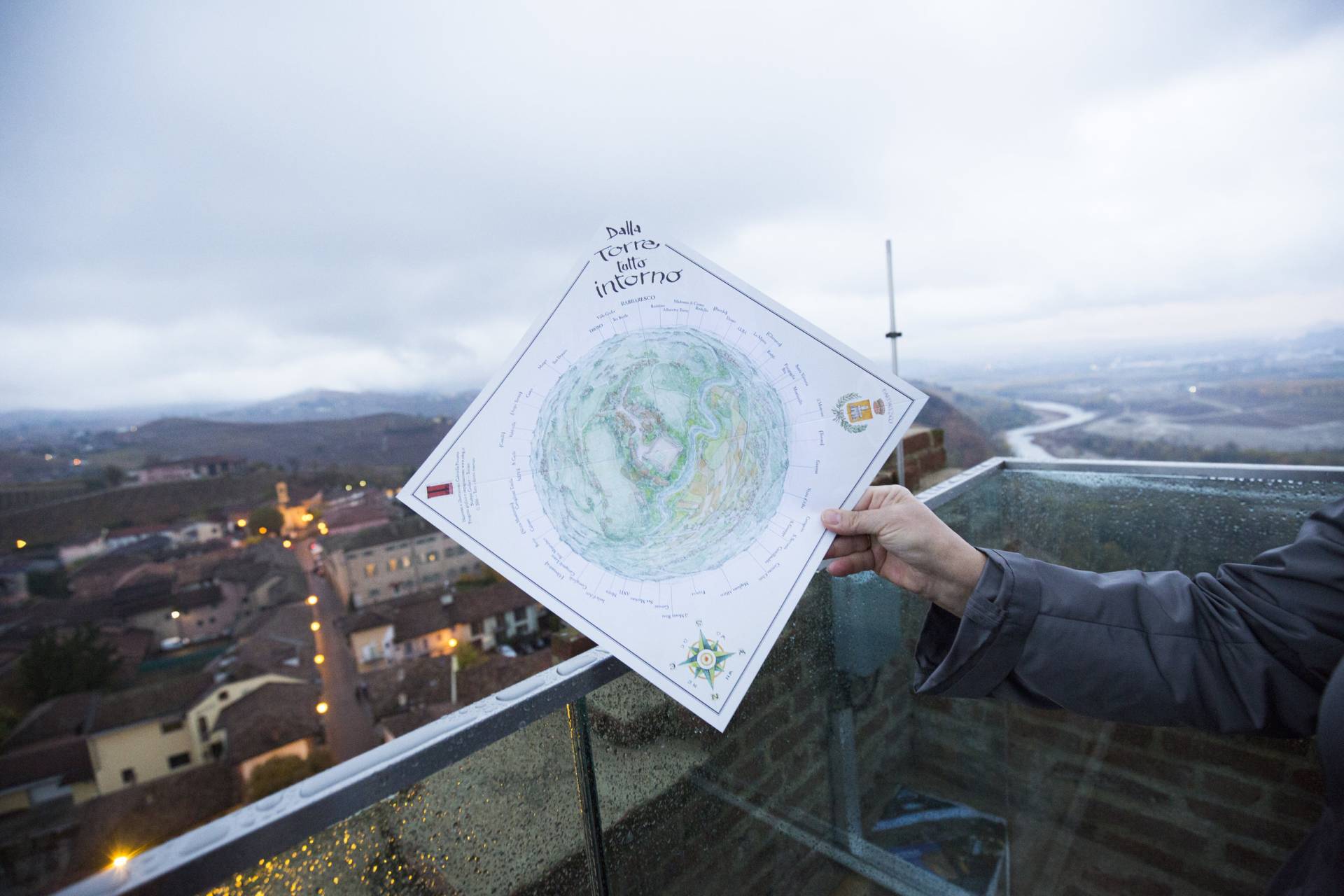
When the Romans arrived in the region, the hill of Barbaresco was covered by a dense, dark forest dedicated to Mars, the god of war. In Latin, a wild forest was called barbarica silva, and this area took its name from that term. When the village was established in the early Middle Ages, a tower was built, and the name Barbaresco as we know it today was born.
Insider tip: if you're in the area, make sure to have a glass of Bararesco on the top of the tower. You want to go on a clear day!
Barbaresco is a small wine region (way smaller than Barolo), east of the town of Alba. The area is made up of 4 villages.
- Barbaresco
- Neive
- Treiso
- San Rocco Seno d'Elvio
How to Make Barbaresco
The recipe is simple: you take a 100% Nebbiolo grapes coming from vineyards inside the denomination of Barbaresco, coming from the specific slopes in the eastern, southern and western positions. You must age the wine a minimum of 9 months in oak and the wine must stay in the cellar for 26 months in total, before asking permission to call the wine Barbaresco.
What does all of this mean?
It means that the winemaker has freedom to macerate the wine for as long as they like. For example some people do two weeks, while others 90 days. The aging in oak can be small french oak barrels (barriques and tonneaux) or in large traditional slavonian oak barrels. The aging can be 9 months or up to many years. The choice is theirs.
Barbaresco Riserva
Barabresco Riserva is the same recipe as Barabresco, only difference is that it has to stay in the cellar for an additional 2 years. The minimum aging in oak requirements are the same.
Barbaresco Classifications
The best way to think about Barbaresco now is kind of like the structure of Burgundy. Here in Barbaresco, we have 4 ways to classify your wine.
- Barbaresco — This wine is coming from any of the designated Barbaresco vineyards and can be a mix of them. On the label you will find just the word Barbaresco.
- Barbaresco “Comune” (on labels from 2026) — the village wine, made only from vineyards within the indicated town.
- Barbaresco “Menzione Geografica Aggiuntiva” — a single geographic mention such as Asili, Basarin, etc.
- Barbaresco “Menzione Geografica Aggiuntiva, Vigna” — a specific plot within an MGA, vinified and aged separately. Producers must also reduce yield by 10%.
Let's Geek About the Soils and MGAs
Barbaresco boasts some of the highest concentrations of vineyards comparable to French Grand Crus. Top sites include Asili, Pora, Bricco, Montestefano, followed by Ovello, Rabajà, Riosordo, Martinega, Roncalini, Roncaglietta, Trifolera, and then Bernino, Vincenziana, Moccagatto, Ronchi, Faset.
The Barbaresco area lies close to the Tanaro River, which protects vineyards from northern storms.
The soil, from the Tortonian period, is a compact bluish marl known as Sant’Agata Fossils. This dense structure slows vine growth, resulting in wines with more tannins and complexity. Barbaresco shares similarities with Monforte and Serralunga, explaining its Grand Cru–level vineyards.
Neive used to be my home… its soils vary widely, from Tortonian-Serravallian mixes with sand in the south to pure blue marl near Barbaresco, and lighter sandy soils in the north.
Neive has two major Grand Cru–level vineyards: Gallina and Cottà, plus Bordini, Chirrà, Gaja, Balluri.
Treiso resembles Barolo: dense clays, grey marl, iron-rich layers, and little sand. Its notable vineyards include Rombone, Gresy, Montarsino, Varaldi, Castellissano, and Rizzi, Bongiovanni, Marcarino, Stella. Treiso shares MGAs with San Rocco Seno d’Elvio.
Fun fact: San Rocco Seno d’Elvio is the birthplace of Emperor Elvio Pertinace — his coin appears on Produttori del Barbaresco labels.
Some Other Local Varieties to Check Out
Nebbiolo may be the king here, but Dolcetto, Barbera, Moscato all have deep roots. Dolcetto is fruity and slightly bitter on the finish; Barbera is bright and fruit-driven; Moscato d’Asti is lightly sparkling and sweet, ideal with Panettone or fresh fruit.
More on Moscato soon — its production process deserves a full story of its own.